Replace manual logs
T21 helps cold chain teams capture temperature records closer to cargo movement.
Track pallets, boxes, or parcels
Reduce gaps in manual records
Moving cold chain temperature from manual records to traceable real-time data
Moving cold chain temperature from manual records to traceable real-time data
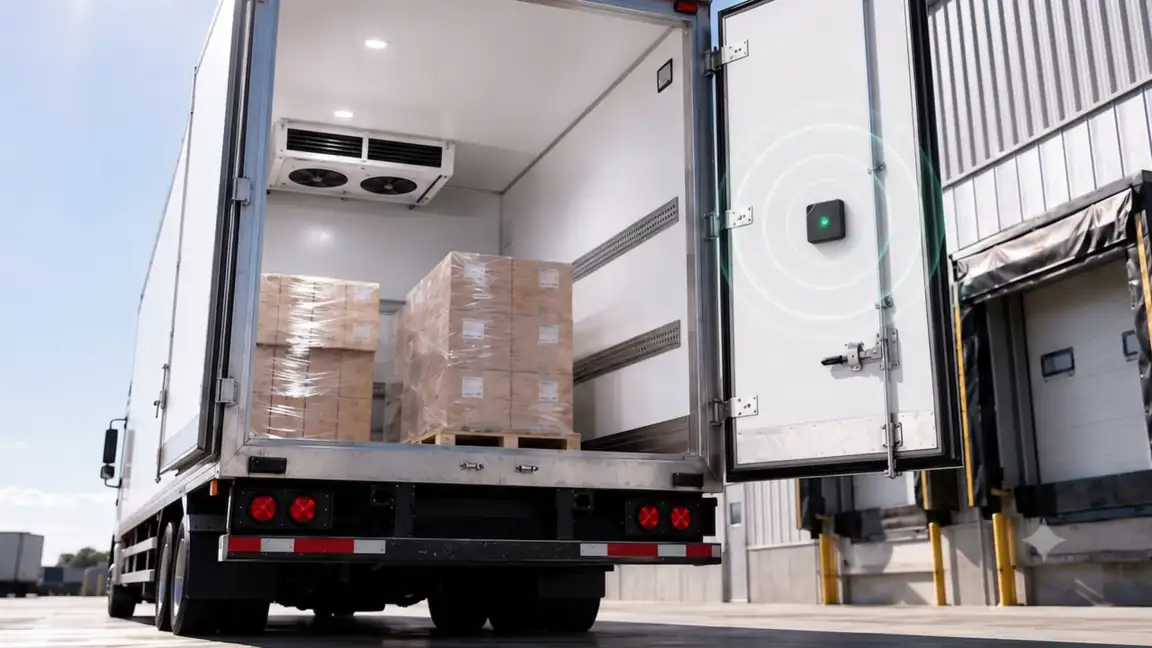
Place T21 with temperature-sensitive goods, insulated boxes, pallets, roll cages, refrigerated compartments, or controlled storage areas to establish a node-level temperature data point.
Link the temperature record to the relevant shipment, container, logistics node, or cargo status so changes can be reviewed in operational context.
Depending on the deployment design, temperature data can be collected through a compatible reader or data-receiving architecture and passed into the connected data workflow.
A connected platform can retain temperature data for cold chain or controlled-environment operations, supporting historical traceability and review of temperature exceptions.
T21providestemperaturedatanodesforinsulatedboxes,pallets,rollcages,cargo,refrigeratedcompartments,andcontrolledstorageenvironments.
Place T21 with temperature-sensitive goods, insulated boxes, pallets, roll cages, refrigerated compartments, or controlled storage areas to establish a node-level temperature data point.
Link the temperature record to the relevant shipment, container, logistics node, or cargo status so changes can be reviewed in operational context.
Depending on the deployment design, temperature data can be collected through a compatible reader or data-receiving architecture and passed into the connected data workflow.
A connected platform can retain temperature data for cold chain or controlled-environment operations, supporting historical traceability and review of temperature exceptions.

Fleet Temperature Monitor
78
%
Cold Chain Data Integrity
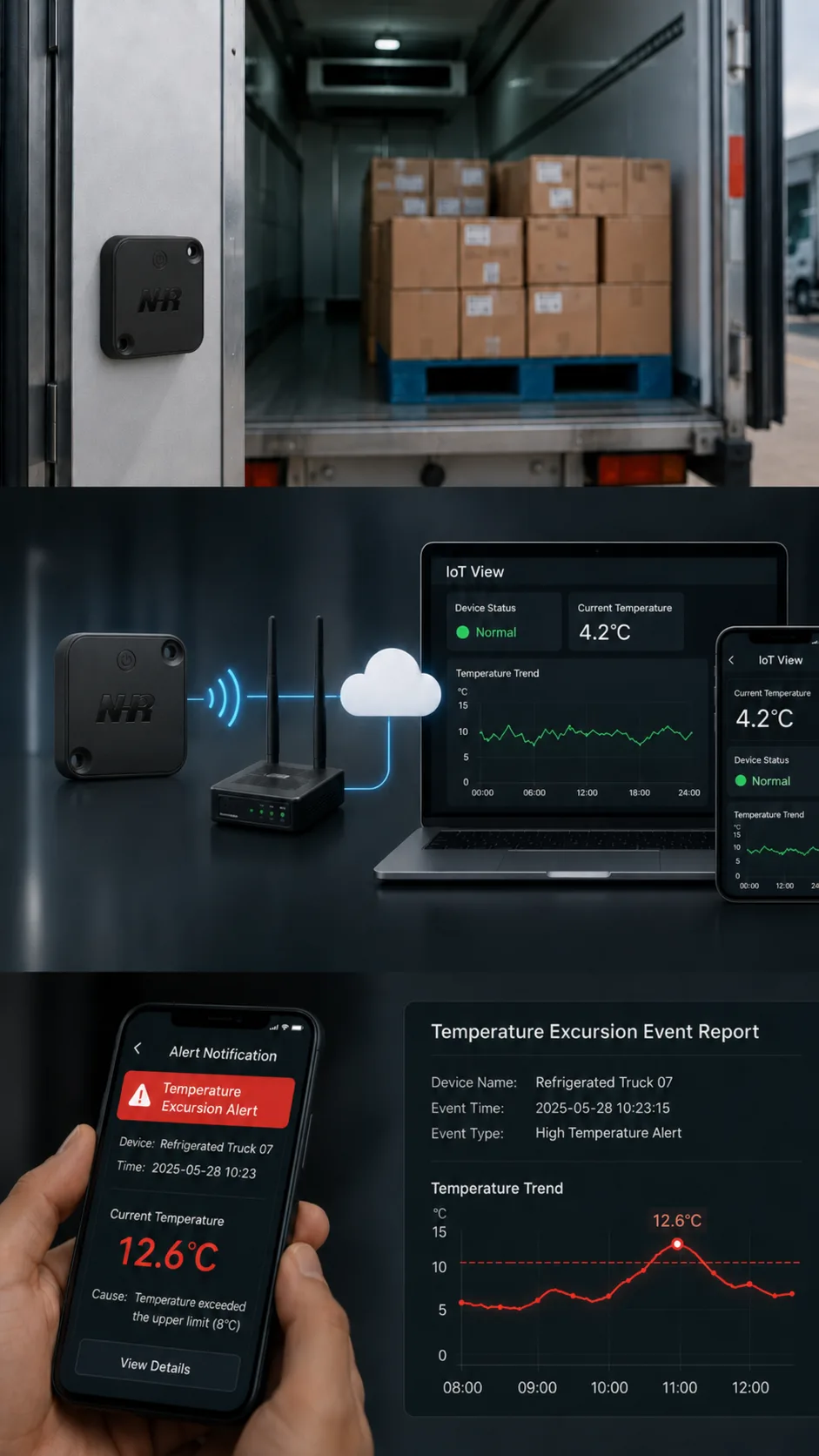
T21 transmits BLE-based temperature readings from cargo, pallets, and parcels to connected gateways and IoT View or compatible backend systems, enabling automated cold chain records, threshold alerts, and temperature excursion reporting.
This is where operators review threshold alerts, trace historical records, and turn distributed field readings into a single operational view.
Cold Chain Intelligence
Plan how BLE temperature records can connect shipments, nodes, and exception reports.
T21 helps cold chain teams capture temperature records closer to cargo movement.
Track pallets, boxes, or parcels
Reduce gaps in manual records
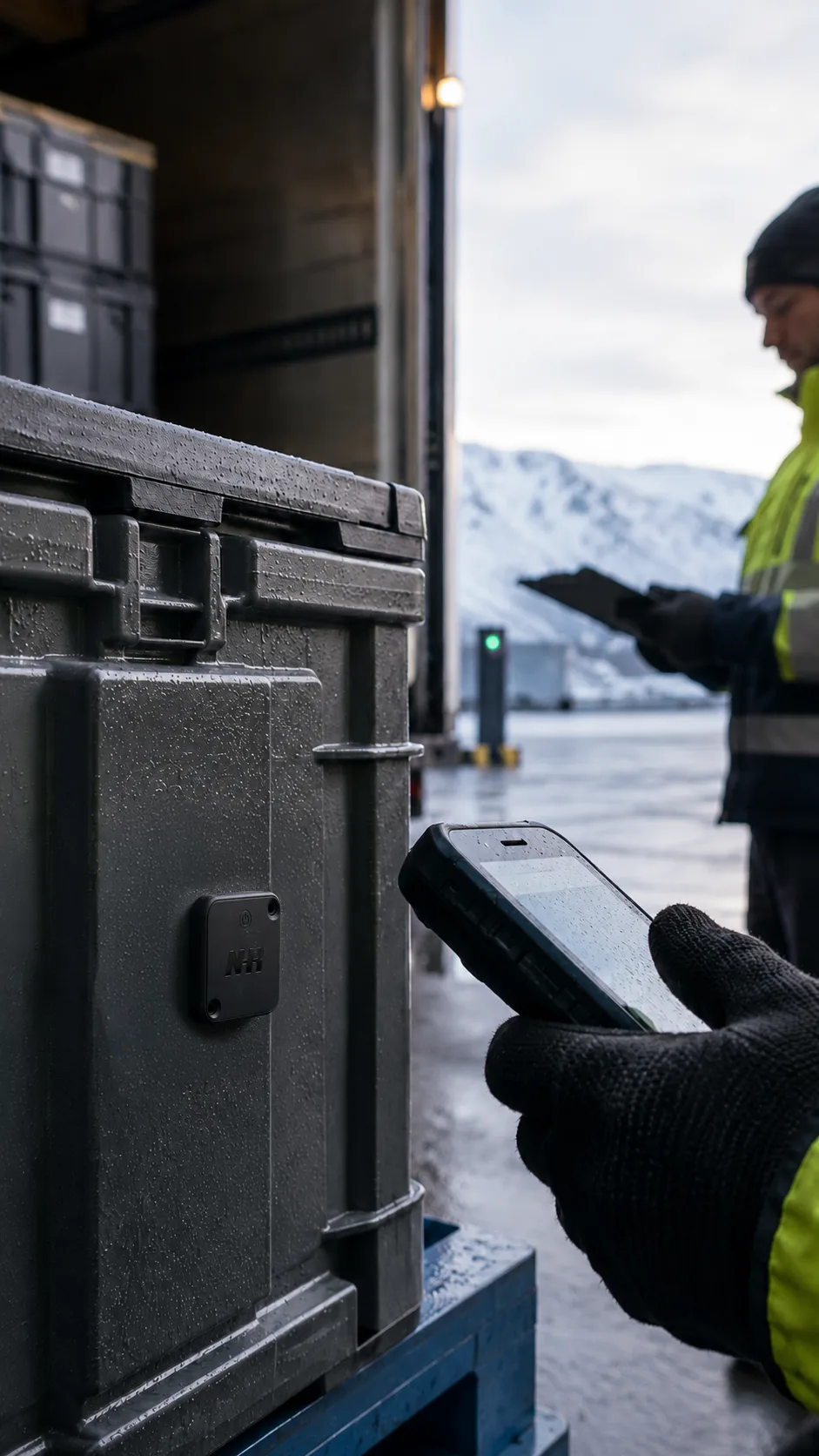
Temperature readings can link with gateways, IoT View, or compatible backends.
Trigger threshold alerts
Support excursion reporting
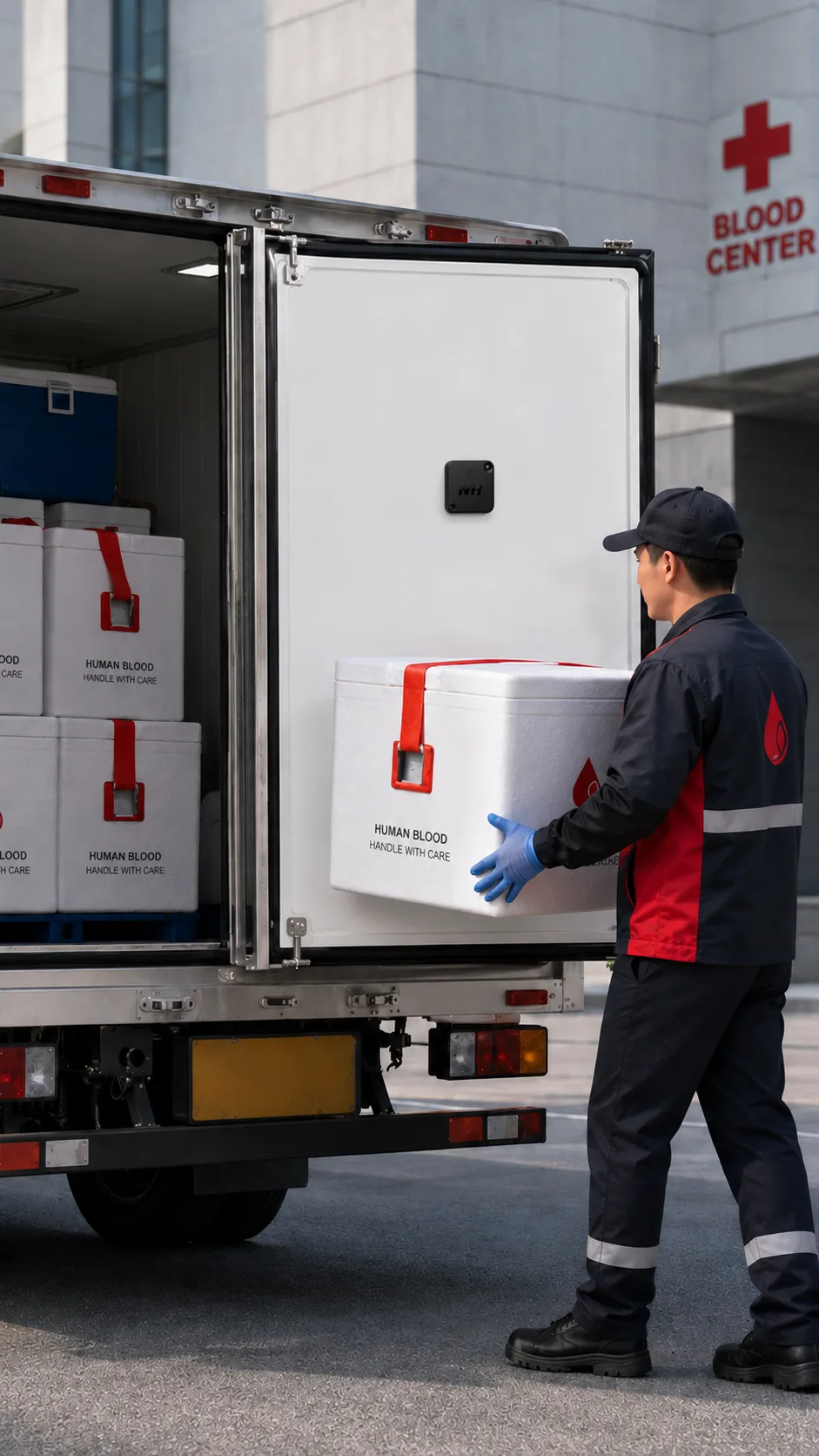
Final deployment should verify range, battery, protection, and data-backhaul requirements.
Confirm measurement requirements
Plan receiver and platform coverage
Select an advantage to see how the product supports practical, repeatable field deployment.
T21 is the active product recommended for Category 4 cold-chain temperature monitoring scenarios.
Get Started / Project Evaluation
Evaluating BLE Cold Chain Temperature Sensor for Your Logistics? NHR can help you map out the most suitable deployment architecture based on your transit routes, cold storage setup, gateway readers, and platform data integration needs.