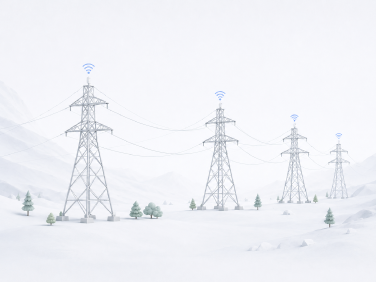
Wide-area monitoring
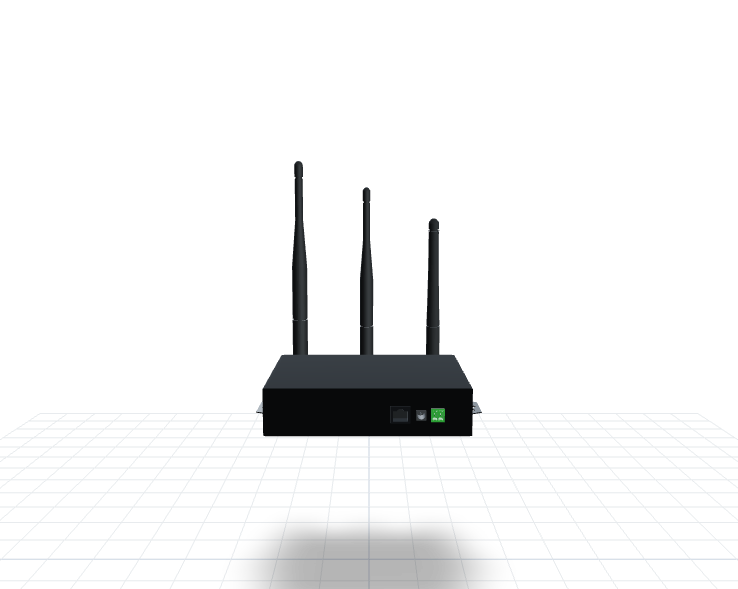
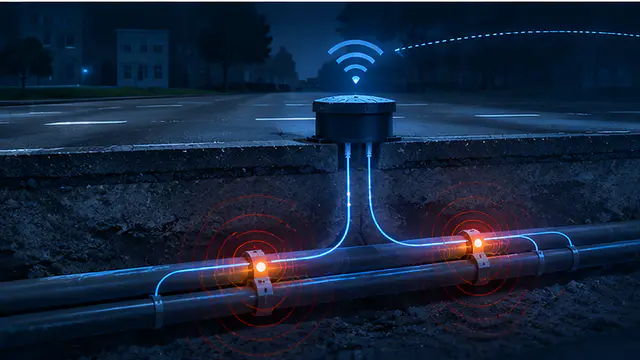
Use low-power wireless deployment where wiring is difficult.
Utility teams manage too many scattered assets to depend on patrols alone.
Monitor utility assets, energy nodes, and outdoor infrastructure before faults become complaints, outages, or wasted site visits.
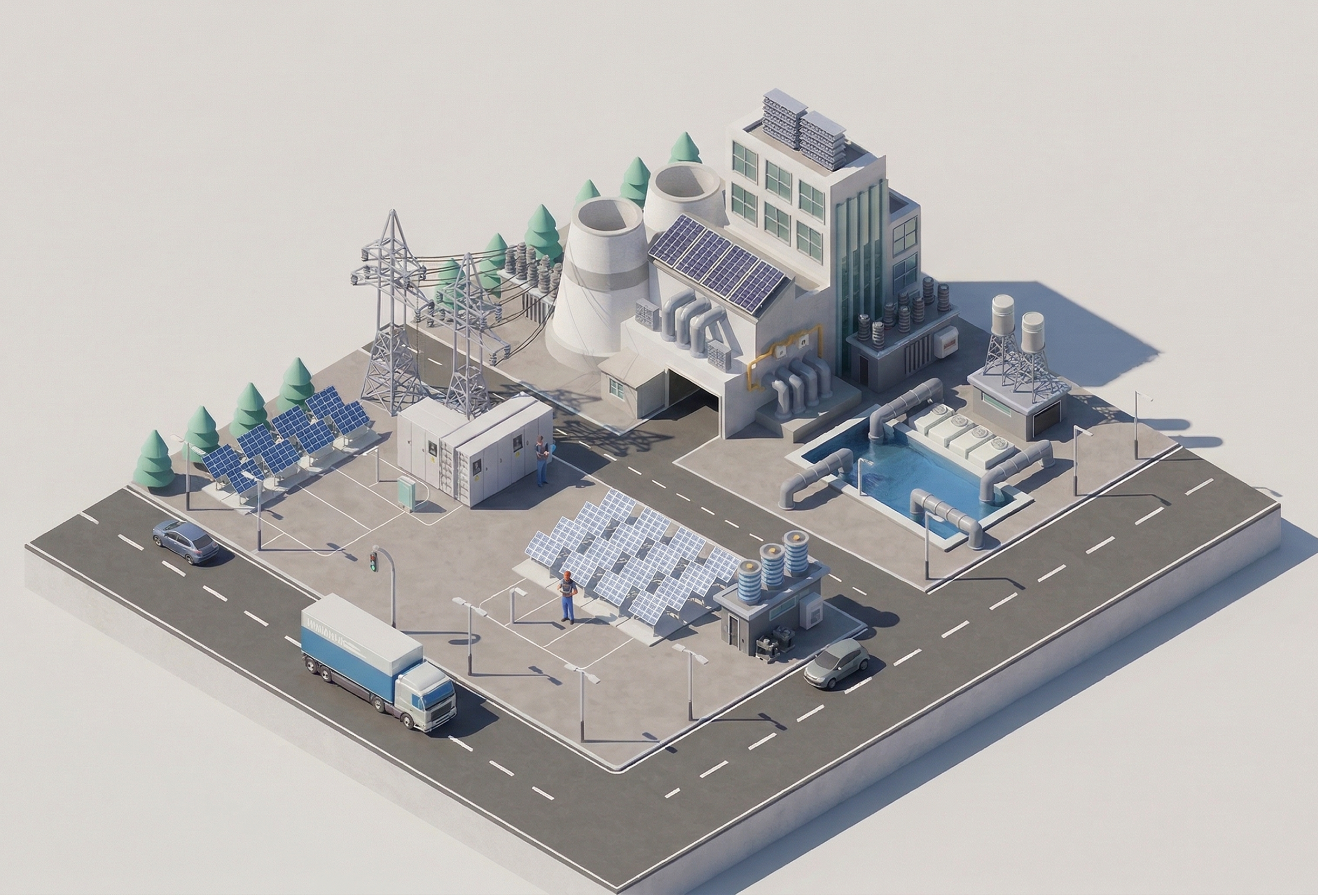
From field sensing to operational decisions.
The usual pressure points:
Too many remote assets for manual inspection
Power and network access are limited outdoors
Meter, cabinet, and energy data sit in separate systems
Faults are found after service quality has already dropped
Use low-power wireless deployment where wiring is difficult.
Catch abnormal status before teams are forced into emergency response.
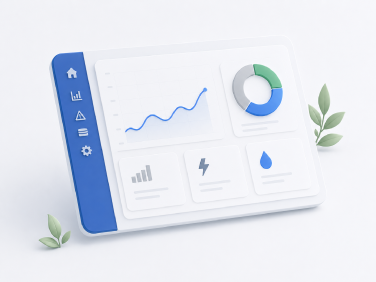
Connect meter, grid, and storage data to day-to-day decisions.
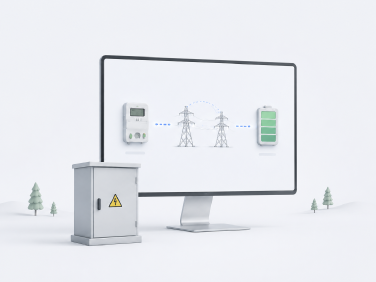
Start with the assets that create the most patrol cost or service risk.

Stability/Streetlight faults found after complaints?
Wide public lighting networks are hard to manage through patrols and citizen reports alone.
Problem
Wide public lighting networks are hard to manage through patrols and citizen reports alone.
Solution
LPWAN lighting controllers and sensing nodes enable remote status, dimming, alerts, and records.
Impact
Teams find faults earlier, schedule maintenance better, and support energy-saving goals.
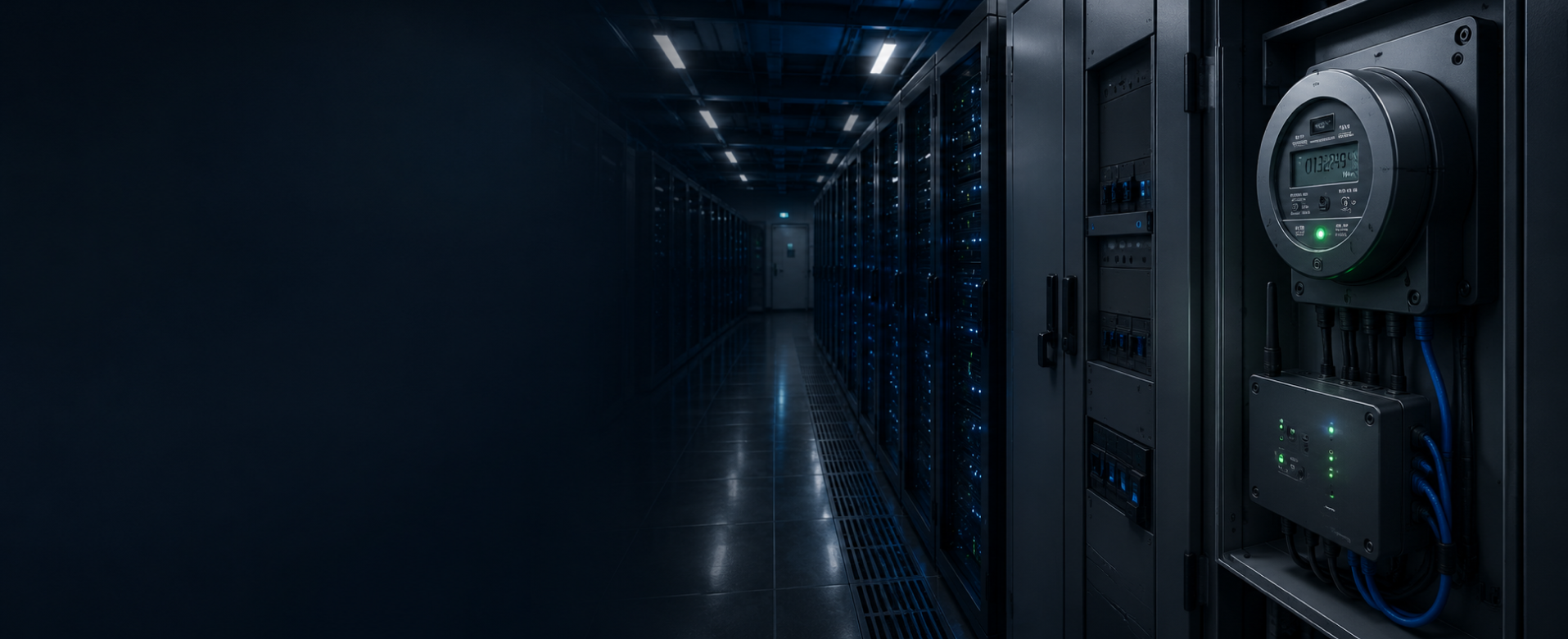
Metering/Manual meter reading still too heavy?
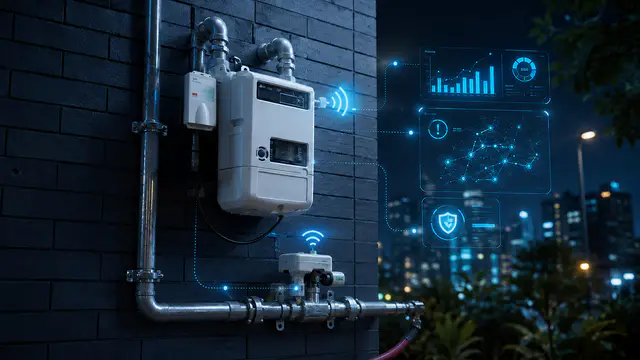
Manual readings create labor cost and miss hidden leaks, gas issues, or abnormal consumption.
Problem
Manual readings create labor cost and miss hidden leaks, gas issues, or abnormal consumption.
Solution
Utility Meter and Energy Data Input modules bring water, gas, power, and energy readings into one platform.
Impact
Data becomes continuous, improving billing accuracy and helping identify hidden losses.
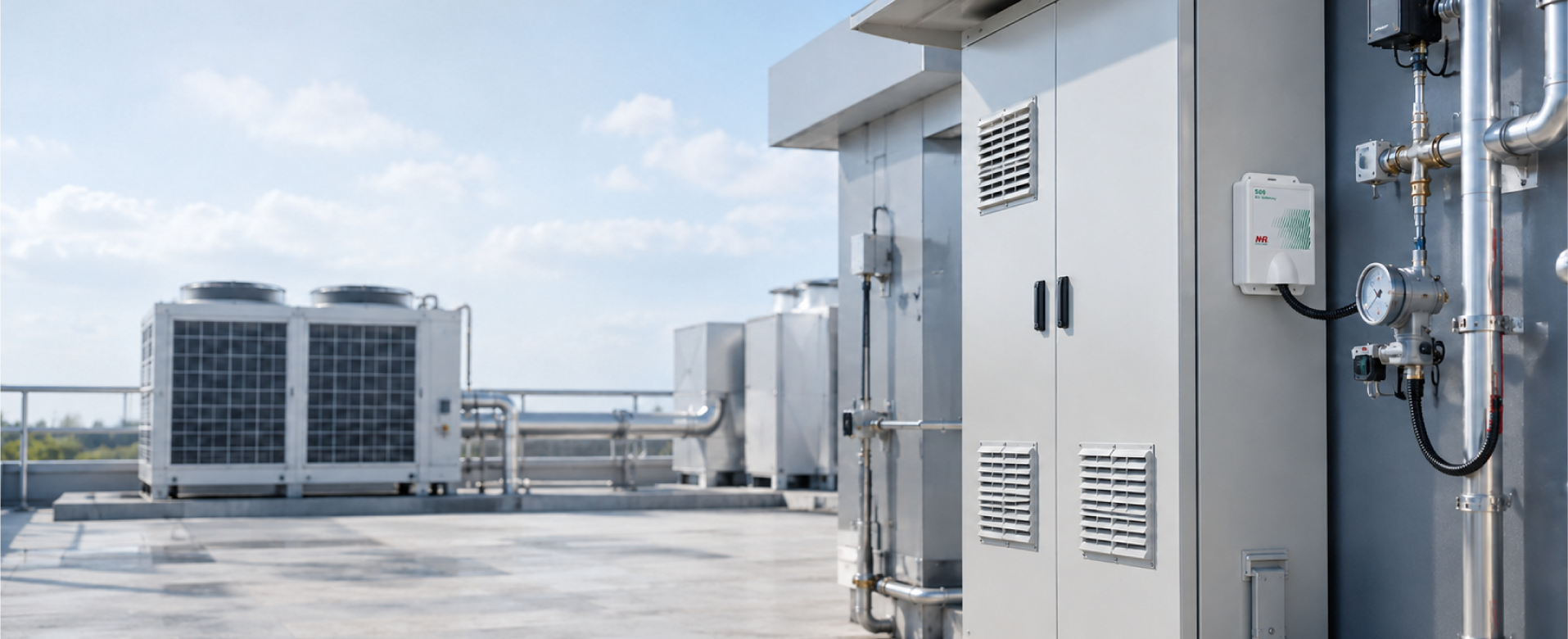
AI support/Outdoor nodes fail without warning?
Cabinets, control nodes, and HVAC systems face heat, aging, pressure issues, and service interruptions.
Problem
Cabinets, control nodes, and HVAC systems face heat, aging, pressure issues, and service interruptions.
Solution
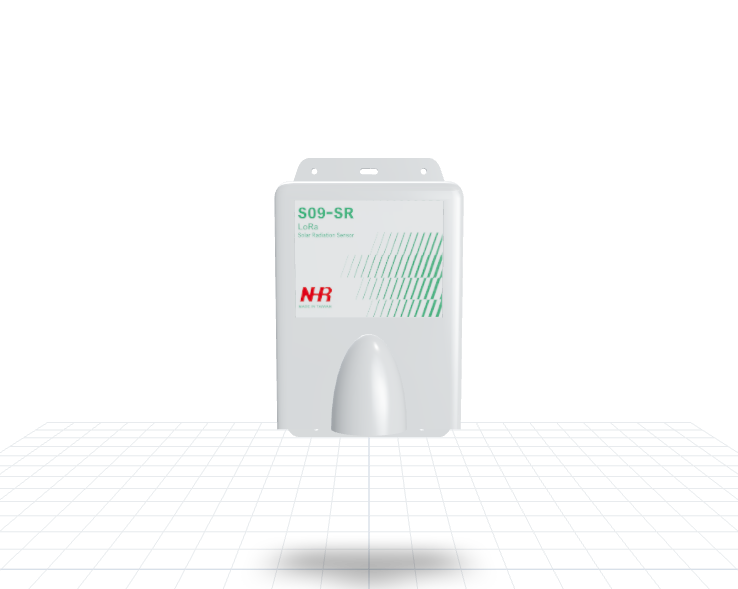
HVAC Pressure Gauge and S09 integration track pressure and related equipment status remotely.
Impact
Maintenance teams can intervene before overheating, leaks, or pressure issues cause downtime.
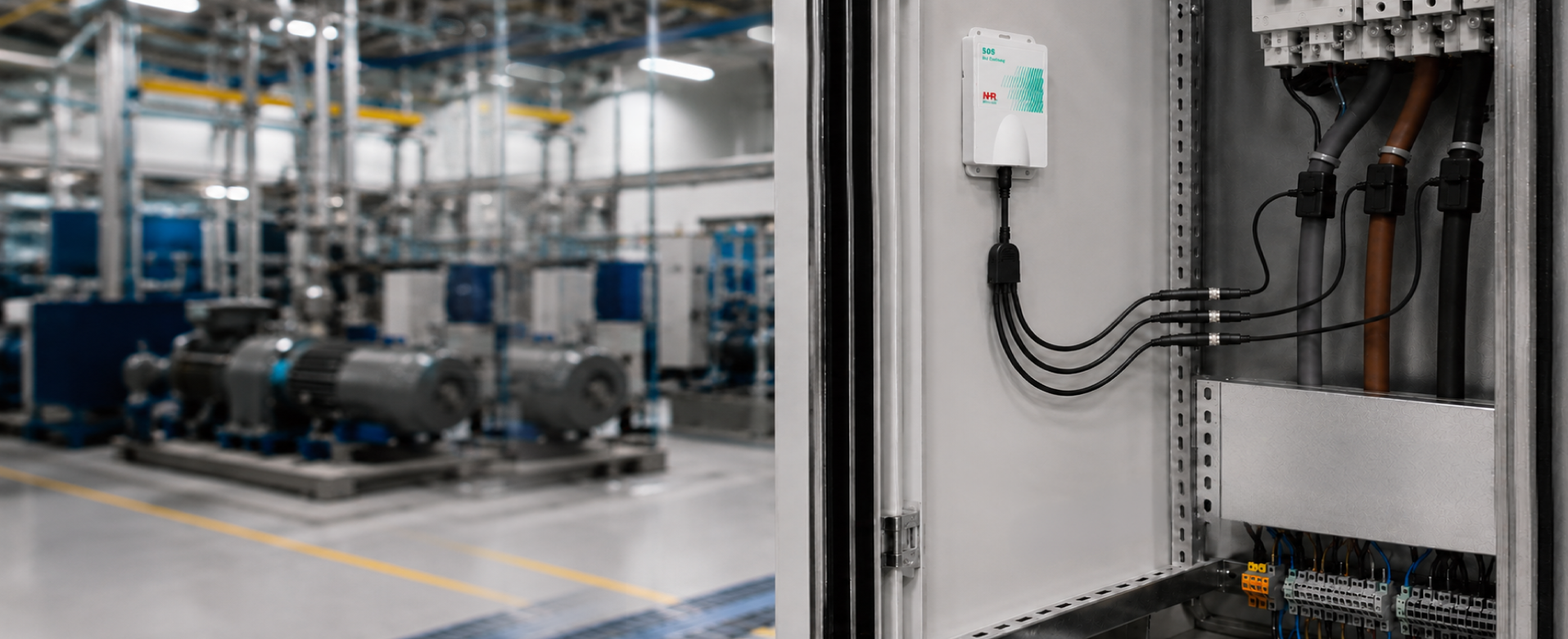
Water risk/Panel faults found after trips?
Abnormal current and overheated contacts are early signs of equipment damage or fire risk.
Problem
Abnormal current and overheated contacts are early signs of equipment damage or fire risk.
Solution
CT Type Energy Sensors monitor three-phase current with wireless alerts and platform visibility.
Impact
Distribution work shifts from emergency repair toward condition-based warning and faster response.
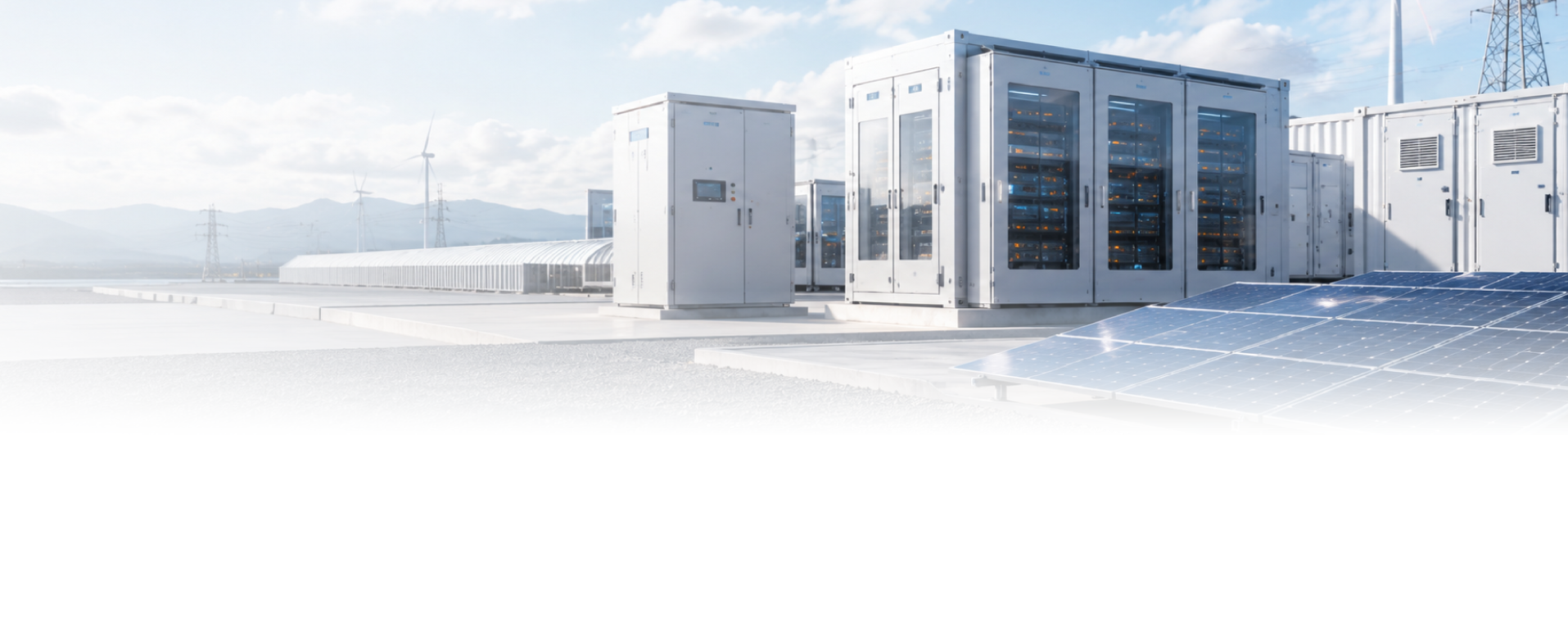
Energy/Distributed energy hard to coordinate?
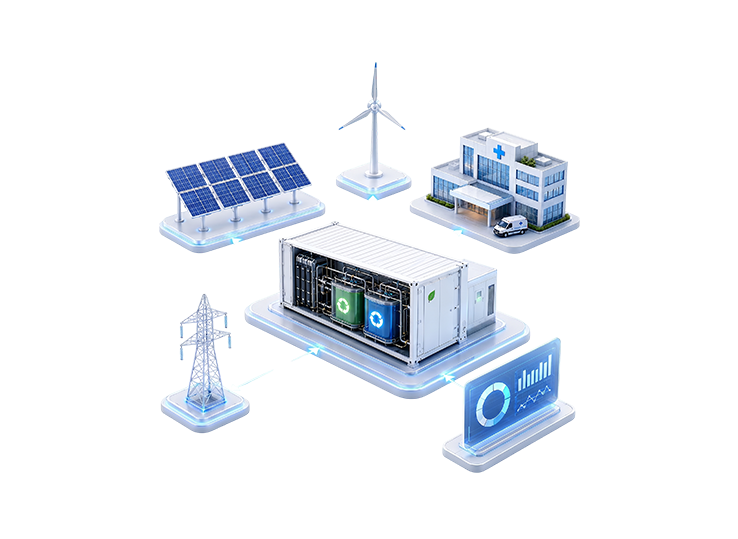
Solar and storage assets need better grid coordination and safer battery operation as sites expand.
Problem
Solar and storage assets need better grid coordination and safer battery operation as sites expand.
Solution
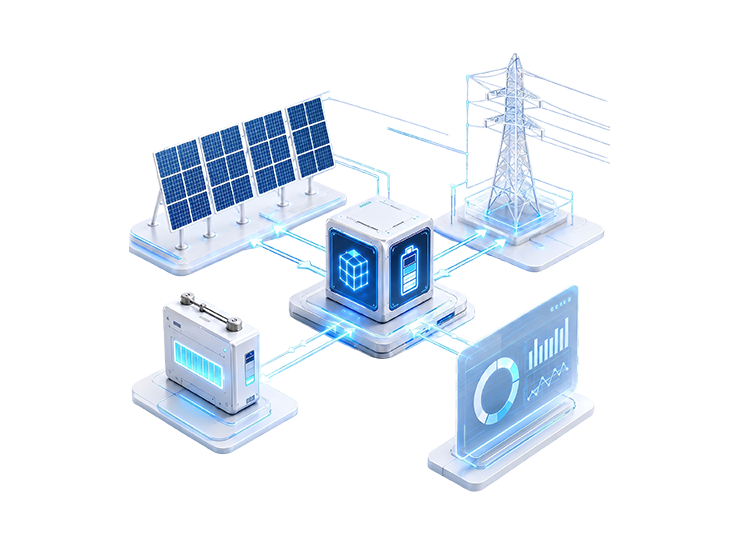
Smart Grid Energy Management uses AI forecasting to coordinate solar, storage, and grid power.
Impact
Operators improve peak shaving, dispatch, storage safety, and ESG energy planning.

Lighting/Infrastructure data scattered?
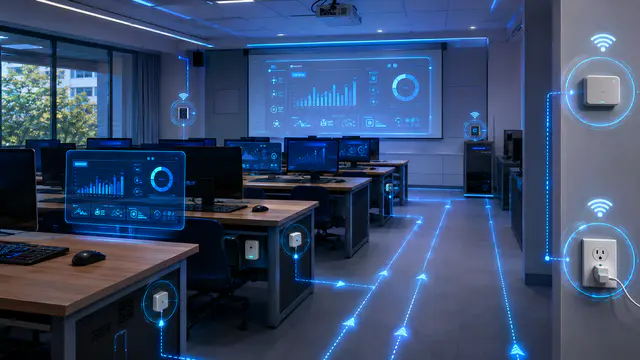
Lighting, meters, cabinets, power, and energy data lose value when split across systems.
Problem
Lighting, meters, cabinets, power, and energy data lose value when split across systems.
Solution
A centralized IoT platform with GIS views and event workflows unifies infrastructure status.
Impact
Teams prioritize events, coordinate dispatch, and manage sites from one operating view.
Real cases and nearby field scenarios that show where this setup makes sense.

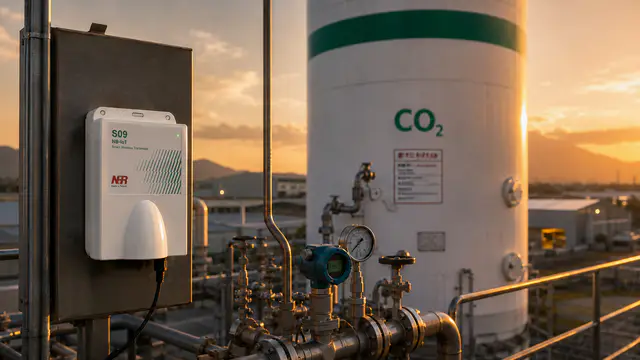
The hardware, gateway, and platform pieces that turn the workflow into a working system.
Yes. The deployment can use low-power wireless options where cabling is impractical.
No. It also fits meters, cabinets, HVAC-related assets, power panels, and energy nodes.
Yes. Events can be routed into existing work order or operations systems.
Large enough to prove patrol savings or risk reduction, but small enough to tune alert rules.
Talk to NHR
Share the asset group that creates the most inspection load. We can help shape a rollout that proves value before scaling.